
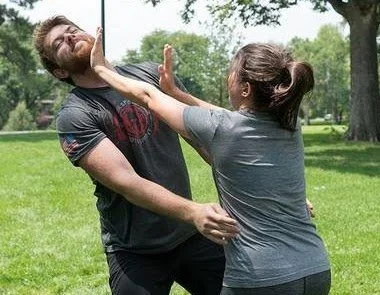
Build Confidence and Skill in Your Self Defense
Vermont’s Only Complete Self Defense Classes
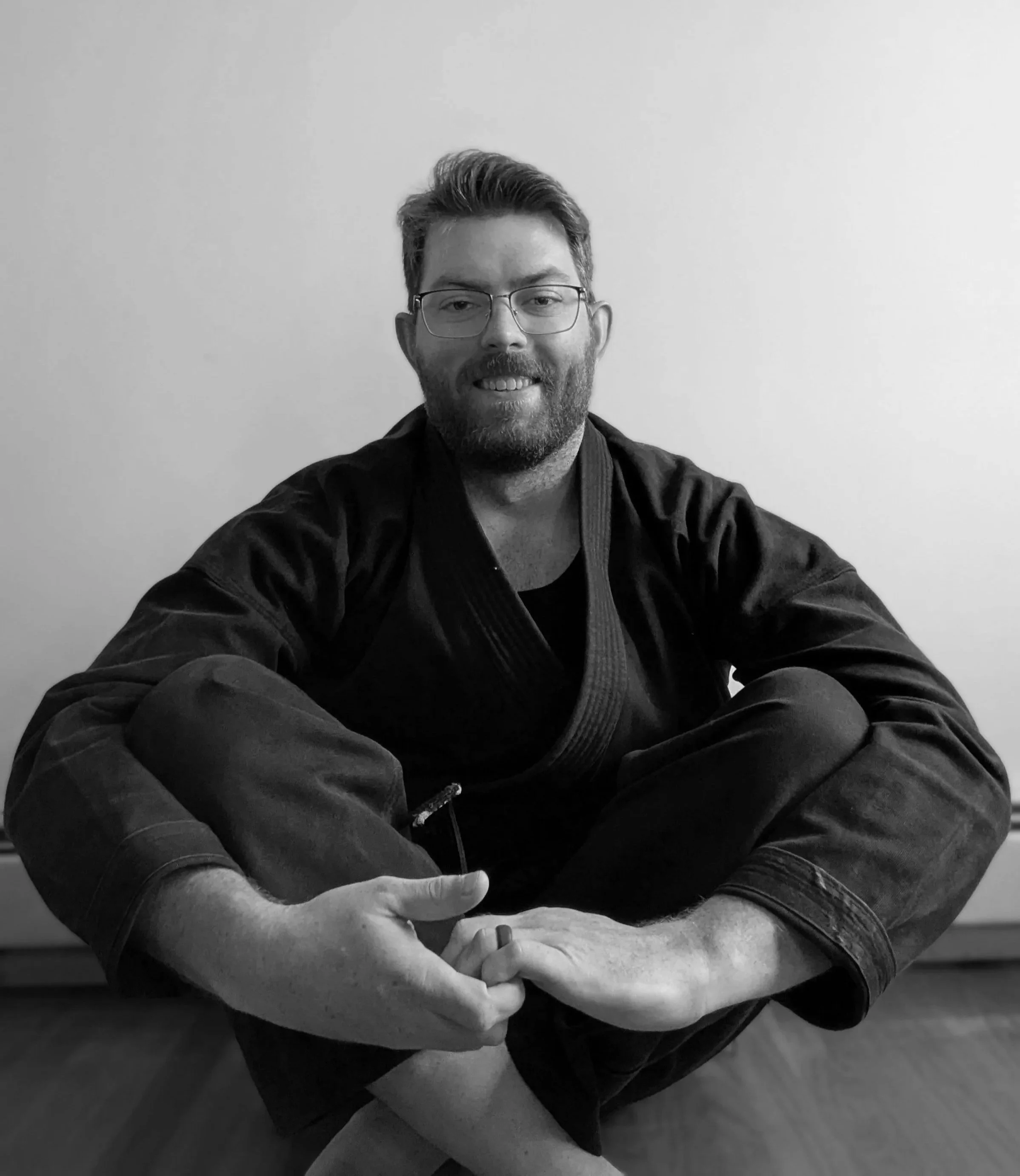
Meet Walker
As an instructor and practitioner Walker lives by two rules:
1. Train today so you can train tomorrow.
2. Train today so you can train in 20 years.
This sums up his approach of ensuring everyone who trains with him does so in a safe, empowering environment while working with their wants and needs to reach their goals. After all, the best training plan is one that will keep you engaged and consistent.
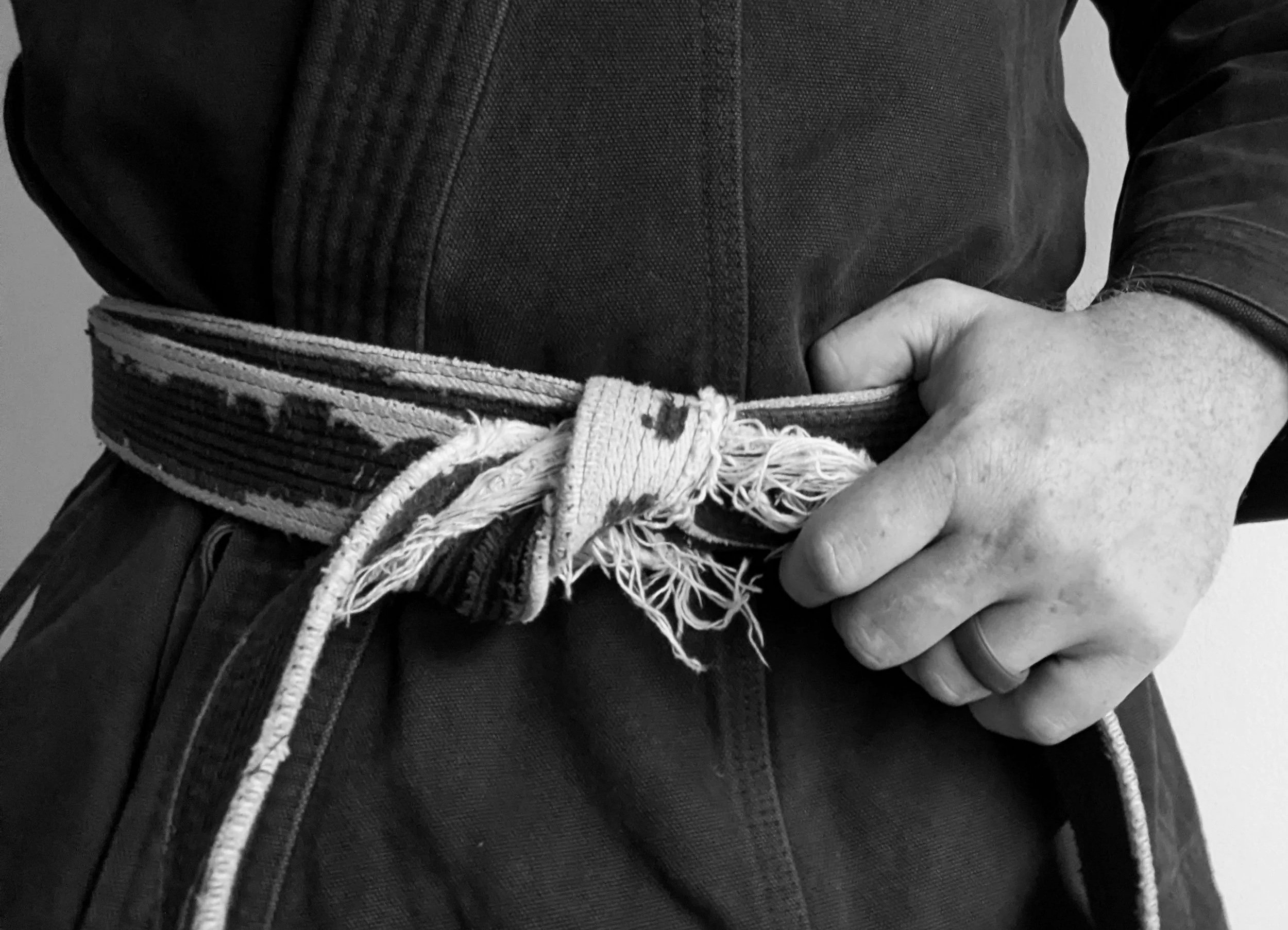
Walker started training martial arts over 20 years ago. He achieved the rank of 3rd degree black belt in Kempo, primarily focusing on striking. Before long Walker wanted to return to being a white belt to fill in the gaps in his ability and continue to grow. He was introduced to JKD (Jeet Kun Do) and has been training in mixed martial arts since 2018. Once he moved to Vermont, Walker began training Brazilian Jiu Jitsu outside of MMA, continuing the pursuit of skill regardless of what happens in a fight.
I love talking about martial arts. Please text me with any questions!
(303) 818-3591
Private training isn’t for everyone, but for a lot of people it is the best, if not the only option. In my years of training and teaching, there are a few road blocks I see time and again for students. I want to remove these challenges for people and offer even more benefits that only come with private training, such as -
Benefits of Private Training
Better Scheduling
Schedule a time that works for you, and if you miss a class we can reschedule. Don’t skip a beat with your training.

More Instruction
Get more time with your instructor. You will progress faster, get to train at your pace, and work on what you need.
Consistency
Stay motivated, consistent, and avoid injury. More time on the mat is how you will get the most out of martial arts.


What is JKD?
JKD isn’t a style, it is a philosophy.
Pulling from different martial arts like Kickboxing, Muay Thai, Brazillian Jiu Jitsu, Kali and more as well as looking at your own experiences, JKD aims to distill what works for you.
What works for you can be different based on size, experience, athleticism, injuries, etc. Everything you learn has something you can use, under pressure in a variety of circumstances. Through training that always keeps you engaged, challenged, and most importantly able to train tomorrow, you will find your self able to respond to situations that even a month ago would have overwhelmed you.
“Research your own experience; absorb what is useful, reject what is useless and add what is essentially your own.” - Bruce Lee
FAQ
-
I teach a range of martial arts from kickboxing (standing) to grappling (on the ground) and everything in between. Read more about JKD HERE.
-
My pricing sheet is available HERE. Because I offer private and semi private training, the pricing varies depending on the amount of people training with you. Scheduling your weekly lesson is also something we will work out together. Please get in touch and I’m happy to answer any questions!
-
While Martial Arts has been a passion of mine for over 20 years, I haven’t owned a school since moving to Vermont in 2023. I am a stay at home dad and only have a few slots available. I will never stop teaching and training and want to share with as many people as my schedule allows.
-
For your free introductory class, NOTHING! I provide loner gear, pads, etc. I also provide a recommended for everyone to purchase, over time, as their training requires.
-
Nope.
-
Yes! If you are looking for a self defense seminar, corporate event, or other specialized group instruction please reach out so we can work out the details together.
-
All group classes are hosted at High Hat Jiu Jitsu. Other weekly lessons are hosted at my home dojo, High Hat, or I can travel to you.
-
I’m happy to answer them! Fill out the form for a trial or text me at the number below and I will get back to you within the day!